





When the world’s attention turned to Vancouver during the FIFA World Cup 2026™, British Columbia seized the opportunity to showcase something equally important: its innovation ecosystem.
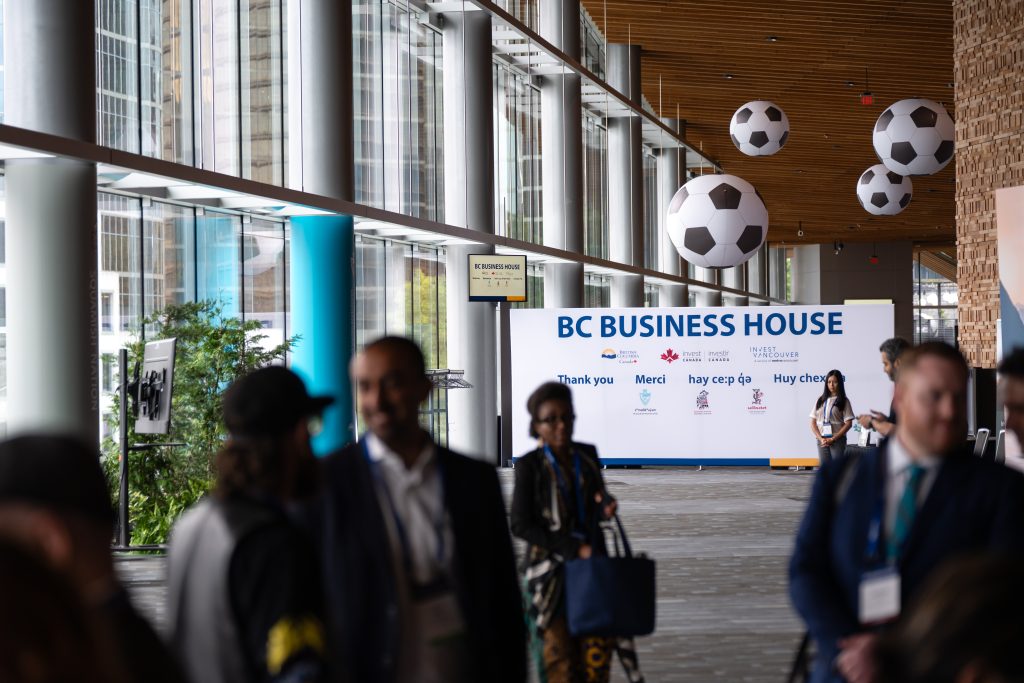
BC Business House, organized by International Trade and Development, brought together business leaders, investors, government representatives, researchers, innovators, and technology companies to showcase Metro Vancouver’s thriving innovation ecosystem and foster global business connections. At Aequilibrium, we were honoured to be invited as a key BC Business exhibitor for both the Life Sciences and Technology Focus Day on June 19 and June 25, respectively.
Through executive panels, networking events, and sector showcases focused on life sciences, artificial intelligence, emerging technologies, and economic development, an incredible volume of insights were gathered across both days. Insights that have left our team inspired, energized, and all the more committed to transforming our community.
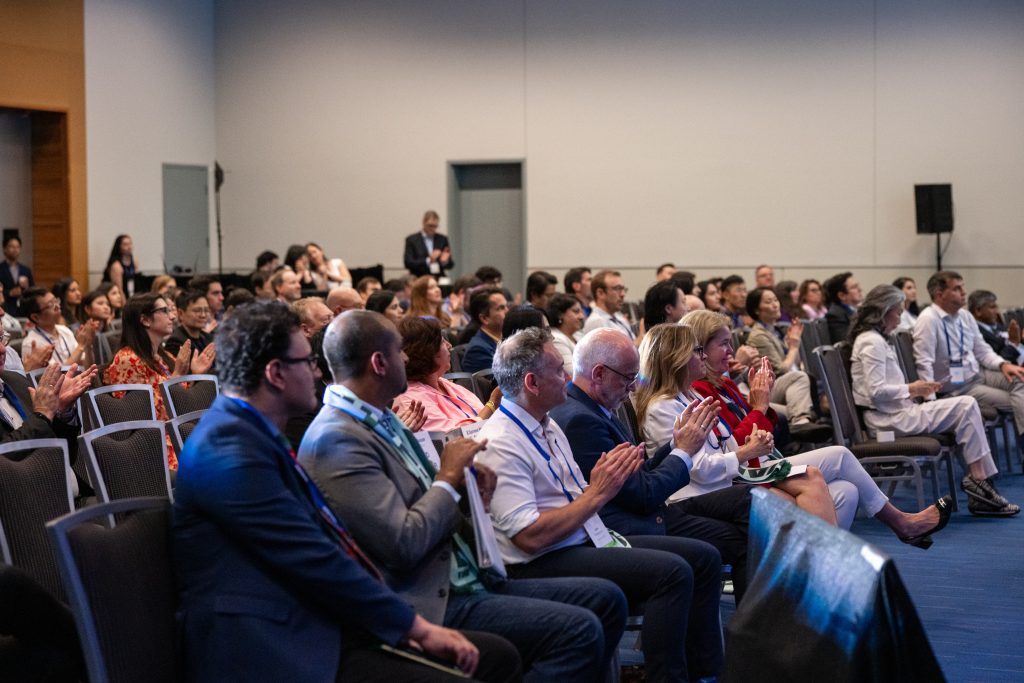
The overarching theme that everything together was the unique nature of British Columbia’s innovation sector. Leaders from academia, private industry, and government repeatedly emphasized that the region thrives because its community actively rejects operating in isolated silos.
Across every conversation, one message consistently emerged:
Organizations are no longer searching for impressive technology. They’re looking for measurable business outcomes.
For Aequilibrium, the conversations reinforced an important shift in the market. Workforce readiness, organizational resilience, and human capability are becoming strategic priorities, with AI-powered training and immersive learning serving as enablers rather than the end goal.
This article brings together reflections from members of the Aequilibrium team who attended BC Business House, sharing the trends, conversations, and opportunities they believe will shape the future of workforce development.
The Conversation Has Shifted from Technology to Capability
Only a few years ago, discussions around AI, VR, and XR often revolved around what the technology could do.
Today, organizations are asking very different questions.
- How can we prepare employees faster?
- How do we reduce costly mistakes?
- How can we improve communication and leadership?
- How do we measure workforce readiness before employees face real-world situations?
- How do we create scalable training that keeps pace with organizational growth?
"The question is no longer 'Why immersive technology?' but 'Where can it create the greatest impact?' That's the shift organizations are making today."

This evolution represents an important milestone in digital transformation. Innovation is increasingly evaluated by measurable outcomes rather than technological novelty.
Workforce Readiness Is Becoming a Competitive Advantage
Across healthcare, higher education, financial services, government, and enterprise organizations, similar workforce challenges surfaced repeatedly throughout the event.
Organizations continue to struggle with:
- Limited capacity for practical training
- Rising onboarding costs
- Inconsistent employee performance
- Difficulty assessing real-world competency
- Increasing demand for continuous reskilling
- Expensive mistakes that occur while employees “learn on the job”
Traditional learning methods, including classroom instruction, online courses, videos, quizzes, and role-playing, remain valuable for knowledge transfer. However, they often fail to predict how someone will actually perform under pressure.
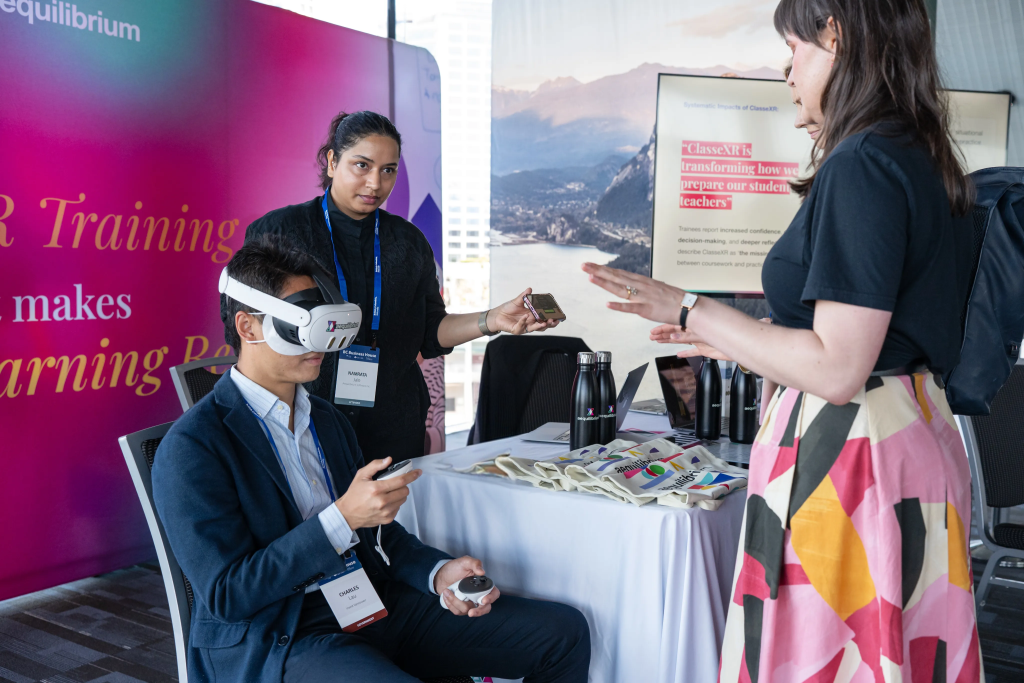
Many of the capabilities that define success are behavioural rather than technical.
These include:
- Leadership
- Communication
- Decision-making
- Emotional resilience
- Customer interactions
- Clinical judgment
- Conflict resolution
These skills are often expected in the workplace but rarely practiced in realistic environments before they matter most.
At Aequilibrium, we believe organizations don’t need more content. They need more opportunities for meaningful practice.
Human-Centred Learning Builds Capability
One theme repeatedly surfaced during conversations at BC Business House:
People learn best by doing.
Whether preparing healthcare professionals for emotionally difficult patient interactions, helping customer service teams navigate challenging conversations, or developing future leaders, immersive learning creates safe environments where people can practice repeatedly before facing these situations in reality.
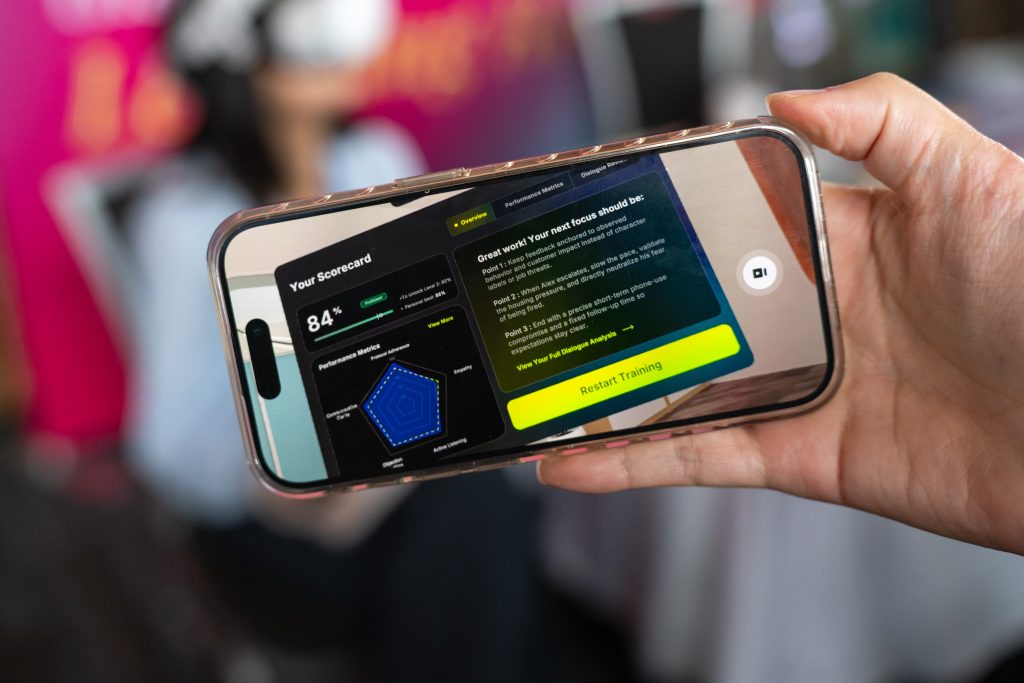
This is where human-centred design becomes essential.
Great learning experiences don’t ask people to change how they think or work. Instead, they support natural decision-making, communication, and learning while fitting seamlessly into existing workflows.
"Confidence doesn't come from reading instructions. It comes from having the chance to practice, make mistakes, reflect, and try again. Great learning experiences simply make that process feel natural."
Organizations using AI-powered immersive learning can help employees:
- Build confidence through repetition
- Receive immediate, personalized feedback
- Learn from mistakes without real-world consequences
- Improve long-term retention
- Develop both technical and interpersonal competencies
As AI evolves, learning experiences become increasingly adaptive, personalizing coaching while supporting the way people naturally learn, make decisions, and build capability.
Integration Matters More Than Innovation
Another recurring theme throughout the event involved implementation.
Organizations evaluating AI-powered training solutions increasingly expect them to integrate seamlessly into existing learning ecosystems rather than operate as standalone platforms.
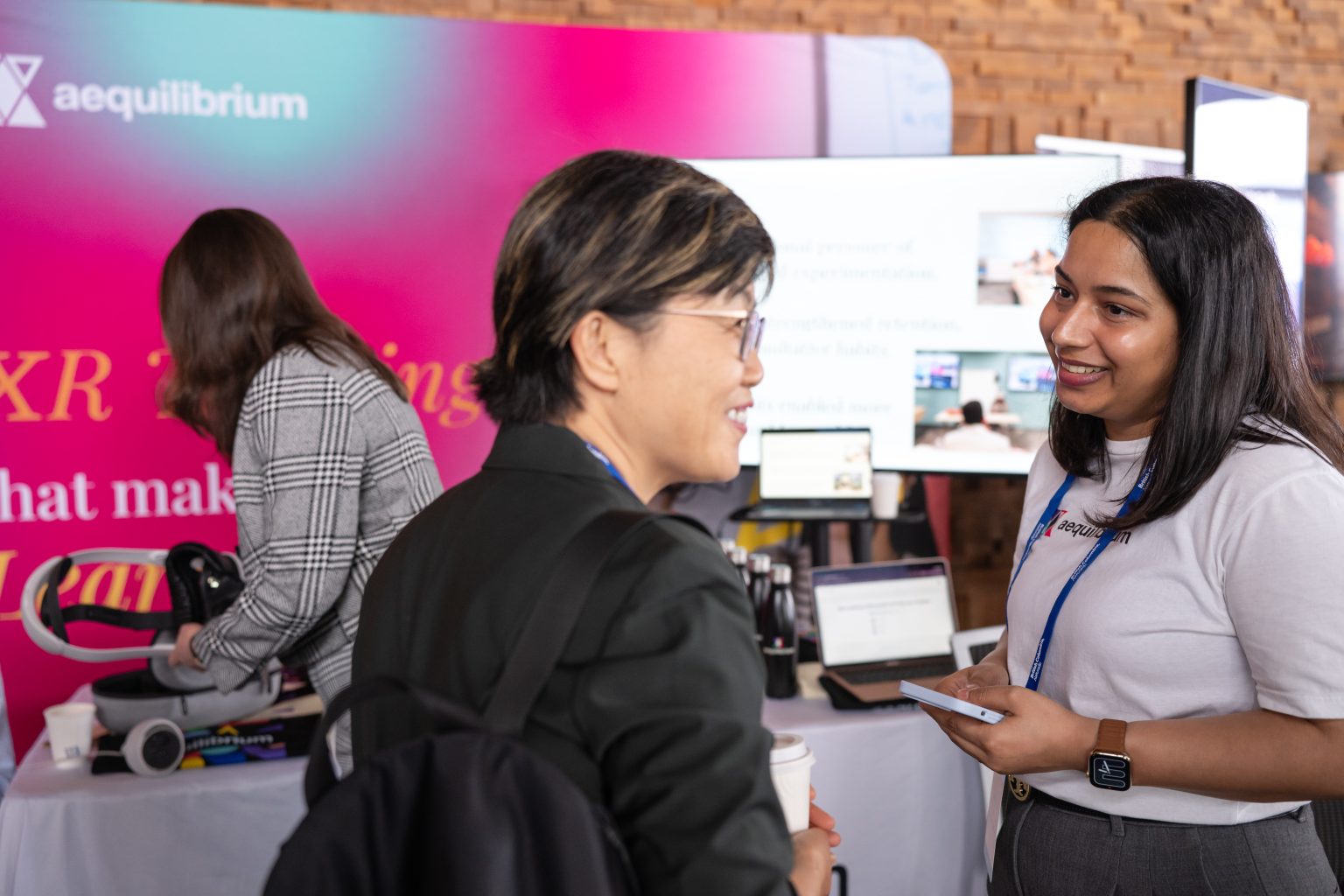
Academic institutions, healthcare organizations, and enterprise learning teams consistently emphasized the importance of:
- Learning Management System (LMS) integration
- Competency-based assessments
- Scalable deployment
- Evidence-based outcomes
- Clear return on investment
"During our conversations, it became clear that organizations aren't looking for immersive technology for its own sake. They want scalable, measurable solutions that solve operational bottlenecks like onboarding speed, skill retention, and readiness assessment while integrating into their existing learning ecosystems."

The market is moving beyond isolated pilot projects toward enterprise-ready solutions that fit naturally within existing operational processes.
Strategic Partnerships Accelerate Innovation
BC Business House also highlighted the growing importance of collaboration between industry, academia, and government.
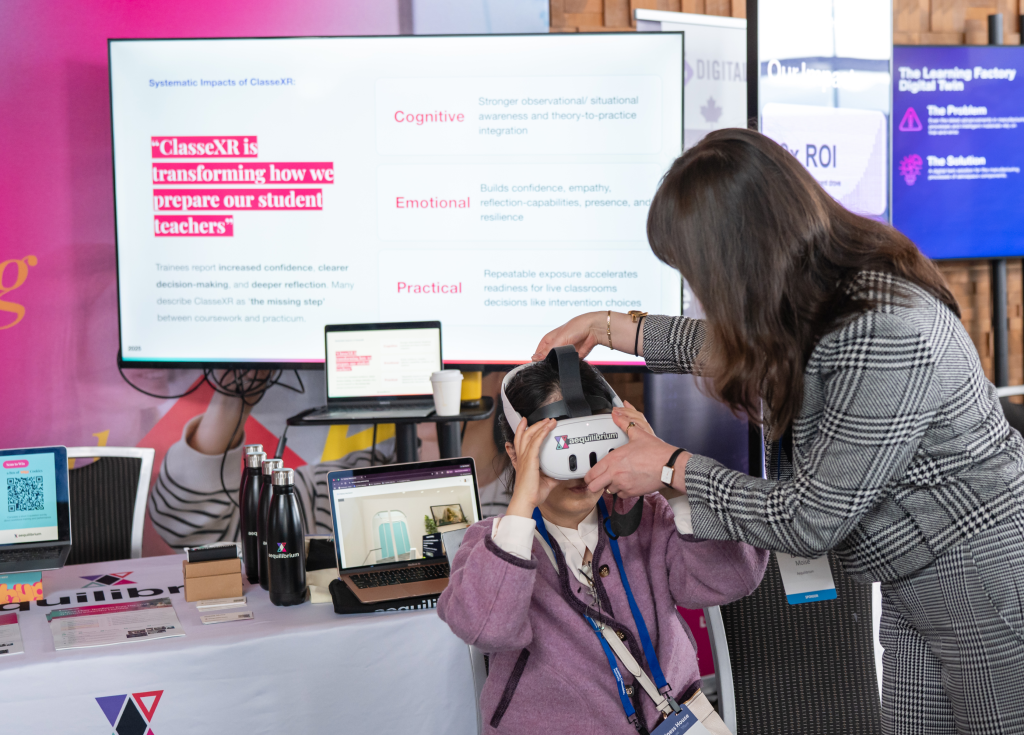
The most successful partnerships are no longer centered around purchasing technology; they’re focused on solving shared workforce challenges.
"Success in cross-sector collaborations comes down to alignment around competency rather than sales. When organizations can see a proven pilot solving a real workforce challenge, the relationship quickly evolves from vendor and client into a long-term strategic partnership."
Pilot programs continue to play an important role in demonstrating measurable value before organizations scale implementations.
These partnerships help bridge the gap between innovation and operational deployment while reducing adoption risk.
Organizations Want Partners, Not Just Vendors
Beyond technology itself, another important insight emerged from conversations across the event.
Organizations are becoming more selective when evaluating technology partners. They’re looking for companies that understand their business challenges, integrate into existing ecosystems, and demonstrate measurable outcomes, not simply providers offering the latest technology.
Risk mitigation is a massive priority in highly regulated environments; decision-makers gravitate toward partners who possess deep sector familiarity and understand their specific operational guardrails.
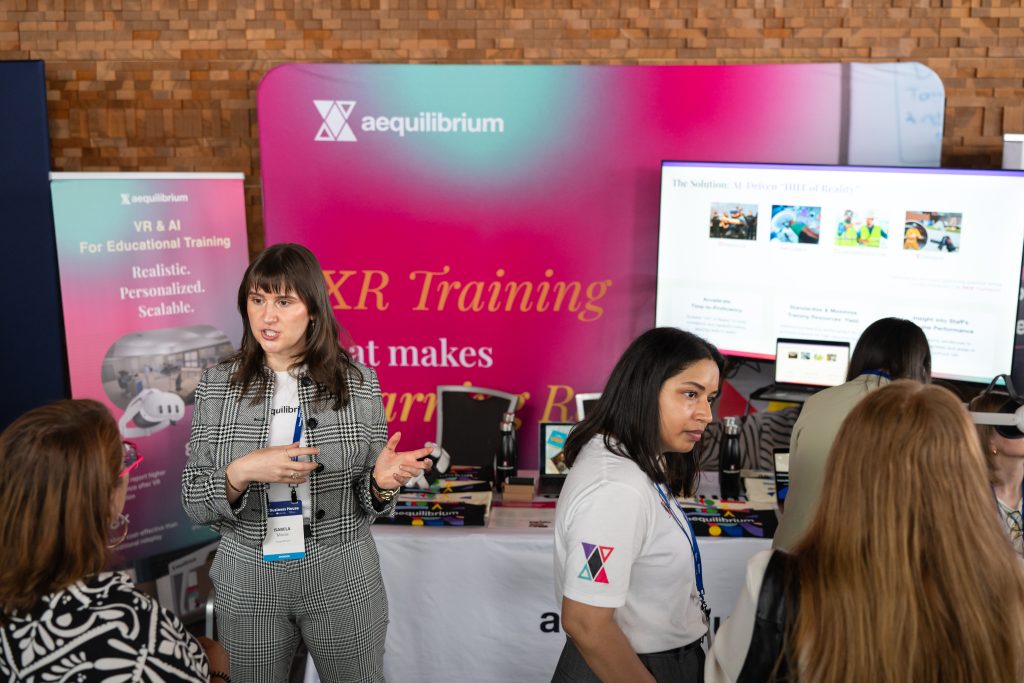
Ultimately, organizations are looking for technology partners who can ground advanced innovation in practical, provable scalability.
They want collaborative allies who can take their existing, static institutional resources and rubrics and translate them into updatable, interactive experiences. Most importantly, they value platforms that deliver clear, objective performance telemetry: using real-time data to pinpoint exact capability gaps and prove measurable training ROI from day one.
"The conversations reinforced that organizations are prioritizing workforce readiness above all else. AI-powered training and immersive workforce learning are most valuable when they solve real business challenges and integrate into long-term digital transformation strategies. Technology should accelerate capability, not become the objective itself."

This reflects a broader shift in how organizations approach innovation. Success depends on delivering practical value that aligns with strategic business priorities.
Early Investment Creates Long-Term Advantage
Organizations investing in workforce readiness today are positioning themselves to adapt more quickly to future skill gaps.
Rather than treating AI and immersive learning as experimental initiatives, forward-thinking organizations are making them part of their long-term workforce strategy.
These organizations are creating advantages by:
- Reducing onboarding time
- Improving workforce readiness
- Standardizing training quality
- Scaling learning across distributed teams
- Preparing employees for future roles
- Building resilient, adaptable organizations
"Organizations investing in AI-powered immersive learning today are gaining a significant first-mover advantage. By treating these technologies as foundational infrastructure rather than experimental projects, they're building the capacity to adapt to future skill gaps faster than their competitors."
As workforce expectations continue evolving, organizations capable of building competency faster will have a meaningful competitive advantage.
Aequilibrium's Perspective
At Aequilibrium, our focus has never been on VR alone.
We are in the business of accelerating human capability at scale.
Immersive learning and AI-powered training are simply among the most effective ways to help organizations build workforce readiness.
Throughout BC Business House, we heard organizations describe familiar challenges:
- Training programs that don’t scale
- Limited opportunities for hands-on practice
- High costs associated with learning through mistakes
- Inconsistent onboarding
- Limited visibility into real employee readiness
- Increasing pressure to prepare employees faster
These conversations reinforced what we’ve believed for years.
"A recurring challenge voiced across both days was the sheer operational strain organizations face when trying to build and maintain workforce capability.
In the Broad Tech Sector: Leaders discussed the high financial risks associated with "on-the-job" learning errors, alongside overextended trainers who simply cannot keep up with fast-moving organizational growth.
In Healthcare and Life Sciences: The conversation was even more acute, focusing on widespread workforce shortages, overextended faculty, and clinical skill decay. Attendees spoke candidly about the steep hill of verifying bedside readiness, particularly when trying to accelerate onboarding for clinical students or specialized talent adapting to regional operational frameworks."
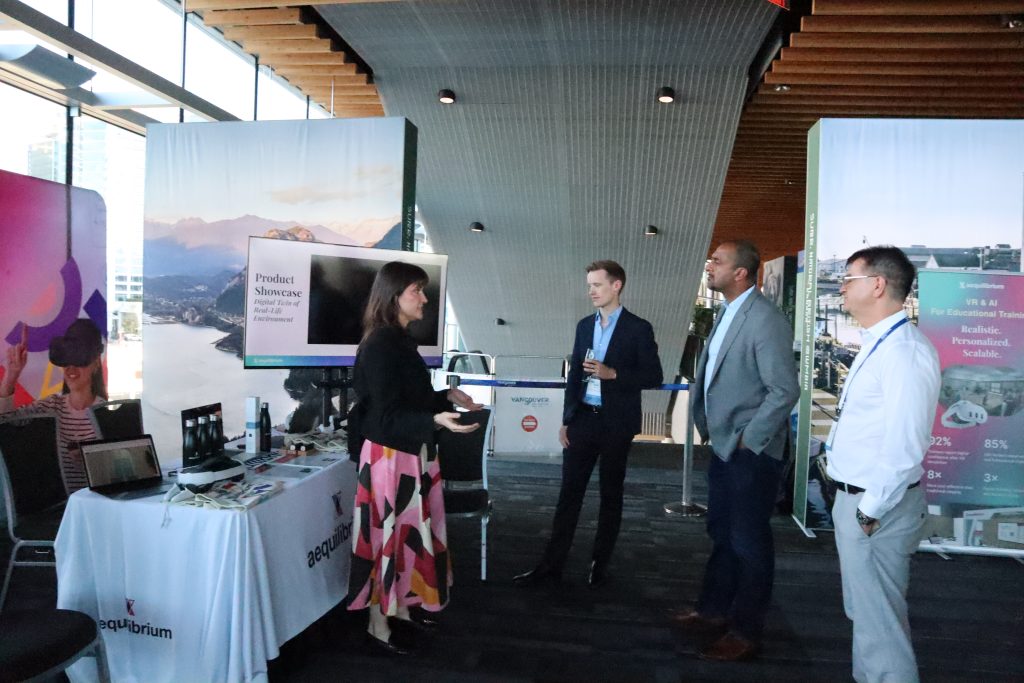
The future of workforce development isn’t about replacing traditional learning. It’s about complementing it with realistic practice, measurable competency development, and personalized learning experiences that prepare people for the moments that matter.
To meaningfully impact capability, training must address emotional, cognitive, and procedural readiness simultaneously. Organizations need the ability to put teams through realistic, high-stress rehearsals: whether that means practicing high-value client consultations, navigating critical de-escalation scenarios, or mastering rare, low-frequency clinical crises before ever stepping onto a real floor.
Looking Ahead
BC Business House demonstrated that British Columbia’s innovation ecosystem is entering a new stage of maturity.
The conversation is no longer about adopting emerging technologies because they’re new.
Instead, organizations are investing in technologies that strengthen workforce readiness, improve business performance, and create measurable outcomes.
For Aequilibrium, this validates the direction we’ve been pursuing: helping organizations prepare people, not just with information, but with the confidence, judgment, and practical experience they need to succeed.
As AI continues to evolve, the organizations that thrive will be those that invest not only in technology, but in the capabilities of the people using it.
Because in the end, technology doesn’t transform organizations.
People do.
